Last updated: August 10, 2026
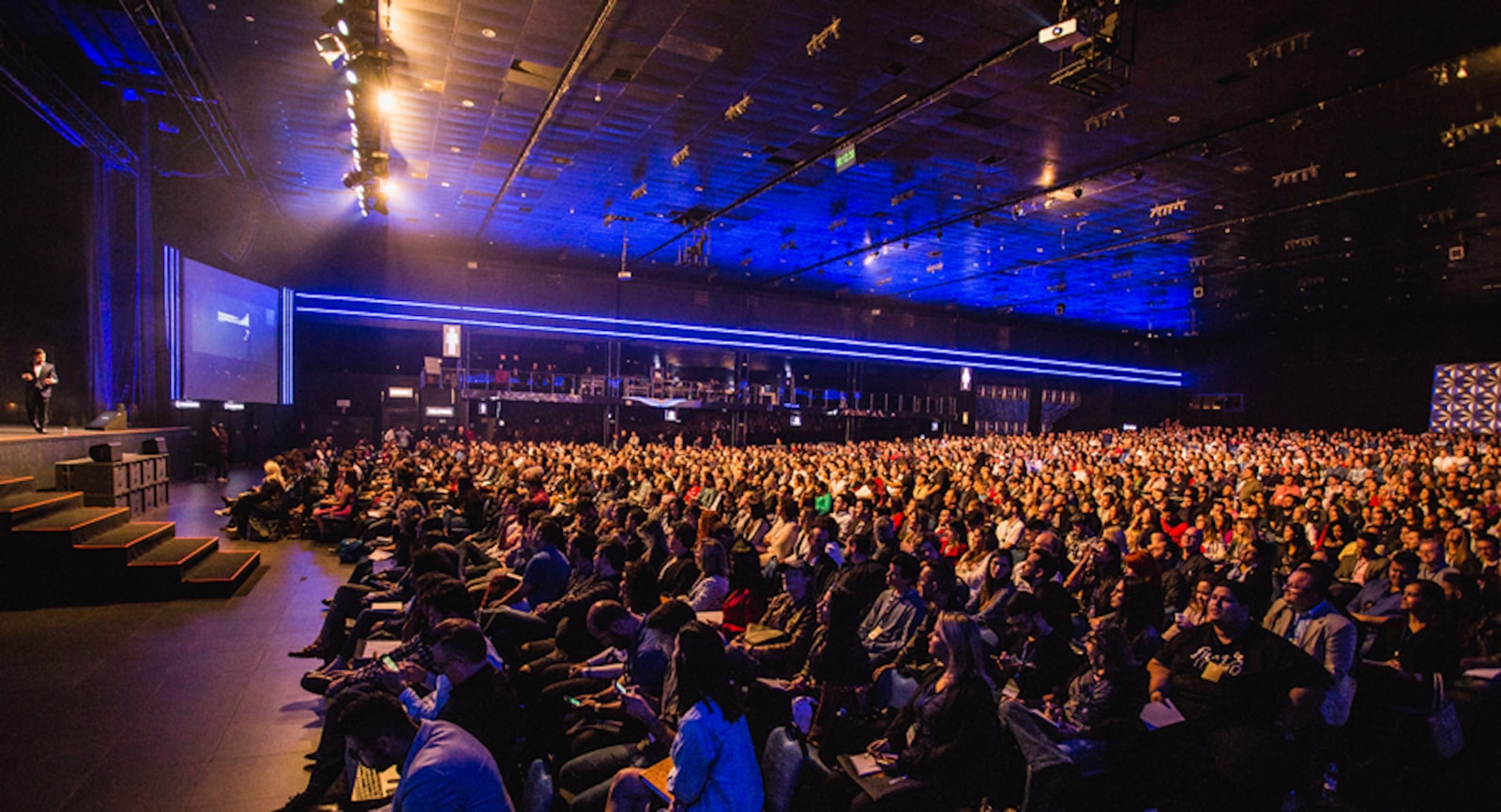
ASAE Annual is where association professionals talk candidly about what is actually happening in their organizations -- not just what the strategic plan says should be happening. The conversations in hallways, lunch tables, and evening sessions often surface the real priorities: where things are working, where they are not, and what peers are trying that might be worth borrowing.
This year, workforce and career support have moved from a programmatic sidebar to a central strategic question. The labor market complexity your members are navigating, the employer relationships your association could be monetizing, and the member retention implications of career engagement -- these are not peripheral. They belong at the center of the conversations you have at ASAE.
Here are seven questions worth carrying into those conversations.
1. What are your members telling you about career support they actually want?
Member surveys on programming value tend to produce predictable results because respondents rate what they can imagine, not what they have never experienced. The more useful question is what members are doing when they need career support -- and whether they are turning to the association for it.
Ask peers: When a member reaches out about a job transition, credential questions, or compensation benchmarking, where does that conversation go? Is there infrastructure to support it, or is it handled ad hoc by staff who happen to pick up the phone? What you hear will tell you a lot about the gap between what members say they want and what associations are actually set up to deliver.
2. How are you connecting career engagement data to membership renewal?
Associations that have linked career center activity to AMS membership records are finding something consistent: members who use career support renew at higher rates. The challenge is that most associations are not capturing this data in a way that makes the connection visible.
At ASAE, ask specifically: Has anyone in the room quantified the renewal differential between career-engaged and non-engaged members? What did you find, and how did you use it to make the case internally for investment? These peer-to-peer data points are often more persuasive with boards than vendor case studies.
3. What is your employer engagement strategy beyond job postings?
Many association career centers are still operating primarily as job boards -- posting revenue comes in, platforms get maintained, and the employer relationship ends when the posting expires. A growing number of associations have moved toward something more intentional: managed accounts, tiered packages, employer advisory involvement, and programming that creates reasons for employers to invest year-round rather than transactionally.
The question worth exploring at ASAE: What does your employer engagement model actually look like, and what has moved the needle on employer revenue in the last 12 months? The answers will surface both strategies worth borrowing and common obstacles worth understanding before you hit them.
4. How is AI showing up in your career and workforce programming?
AI is not a future-state question for most associations anymore. Members are using AI tools in their job searches. Employers are using AI in their screening processes. Some associations are deploying AI-assisted tools in their career centers. Others are watching carefully before committing.
The ASAE Annual conversation on AI tends to produce more useful signal than vendor marketing because peers will tell you what has actually worked, what has created problems, and what member reactions have looked like. Ask specifically about member trust: Has AI-assisted content or tools changed how members perceive your career support, and in which direction?
5. What does your association know about workforce trends in your sector that your members do not?
One of the most underused assets in many associations is the workforce intelligence that sits in the aggregate view across the membership. What job categories are growing in posted volume? Which credentials are employers specifying more frequently? What compensation shifts are visible across the member base?
Ask peers: Are you synthesizing career center data into workforce trend content for members? Is that content a member-facing resource, a member communication, or does it exist at all? The associations doing this well have turned a byproduct of their career center operation into a content and engagement asset.
6. How are you building early-career member engagement before the first renewal?
Early-career member retention is a persistent challenge across association types. Members who join as students or new graduates and do not find immediate value tend not to renew. Career support is one of the clearest immediate-value propositions for this population -- but only if the infrastructure is there to deliver it.
The question for peers: What are you doing in the first 90 days of membership to connect early-career members to career resources, not just to communications? What has moved early-career renewal rates, and what has not? These conversations often surface surprisingly specific tactics that are transferable across sectors.
7. What is your board asking about career center ROI, and how are you answering it?
Board questions about career center investment are getting more specific. Boards that used to accept traffic reports are now asking about member activation, employer retention, and the connection between career engagement and renewal outcomes. Some associations have built the data infrastructure to answer these questions clearly. Many are still working on it.
Ask peers: What metrics are you bringing to your board, and which ones generate the most productive conversation? What has changed the board's frame on career center investment from a cost question to a value question? The answers will help you structure your own reporting in ways that build rather than defend investment.
Where to Find Web Scribble at ASAE
Web Scribble will be at ASAE Annual August 15--18. If you want to continue any of these conversations with a team that spends every day working on association career centers -- member engagement, employer revenue, AMS integration, and platform strategy -- come find us at the conference or reach out to schedule time in advance at webscribble.com.
We will be talking about what associations are doing to make career support into a visible, measurable member benefit -- and what the data shows about what is actually working.
Moving Forward
The conversations you have at ASAE Annual are most useful when you go in with specific questions rather than general curiosity. These seven are a starting point. The answers you bring back are worth turning into action before the fall programming cycle begins.
Read our post-ASAE action planning guide (webscribble.com/blog/from-conference-conversation-to-90-day-workforce-action-plan) to help convert what you hear into defined priorities with owners and timelines.
Related Reading
Related Resources and Next Steps
%201.avif)